Of supported pupils showed improved attendance or sustained attendance after intervention tracking.
Impact & Reports
Evidence, oversight, and school impact presented in one accountable record.
This page consolidates programme outcomes, financial stewardship, policy controls, and on-the-ground reporting from Saint Peters Schools And Mrs. Wrays Schools. so partners can inspect what changed, how funds were used, and where further support is needed.
Annual Snapshot
The 2025 reporting year focused on attendance recovery, basic access, and stronger local accountability.
Board-approved spending was concentrated on practical barriers that schools identified repeatedly: transport instability, uniforms and supplies, family support referrals, and the need for quicker escalation when attendance patterns shifted.
Reporting combined trustee review, school-side evidence, partner check-ins, and quarterly financial reconciliation so delivery updates stayed connected to the original funding purpose.
Leadership teams received governance or compliance coaching tied to programme delivery decisions.
Average response window from verified referral to first approved support action.
Total funds deployed across direct support, school resources, governance, and administration.


Programme Evidence
What the reporting shows across school support, classroom provision, and family stability.
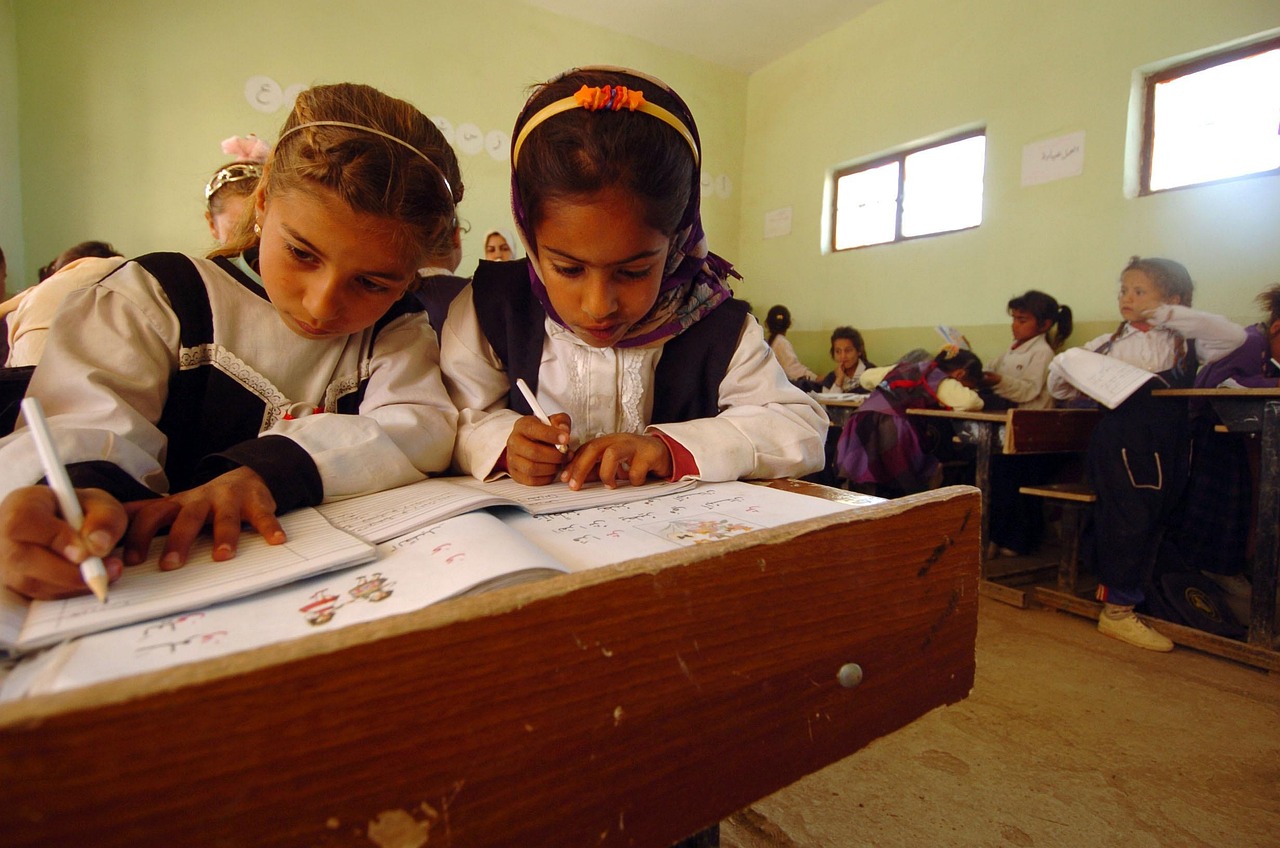
Learning Access And Attendance
Direct support for transport, uniforms, and learning essentials was concentrated in schools where repeated absence and material pressure were jointly affecting participation.

Teacher Resource Partnerships
Shared procurement cycles and donor-backed classroom materials reduced uneven access to literacy and numeracy resources across partner settings.

Family And Wellbeing Referrals
Community liaison and safeguarding-aligned referrals helped schools move from informal concern to documented action with clearer follow-up responsibilities.

Governance Coaching For Leaders
Coaching sessions improved board paper quality, compliance calendars, and the consistency of budget and safeguarding oversight at school level.
Financials
Allocation remained weighted toward direct student support while preserving review discipline.
Budget release followed a simple rule: funds had to be linked to a delivery line, checked against restrictions, and approved with enough evidence to support later review. Variances were recorded quarterly and discussed alongside programme progress rather than after the fact.
Financial reporting is paired with operational notes so trustees, partners, and donors can assess not just how much was spent, but whether the spend matched the stated need and implementation capacity.
Student and family support
44%
Teacher resources and school partnerships
32%
Monitoring, governance, and compliance
18%
Fundraising and administration
6%
Field Gallery
Images from school and community settings support the narrative behind the numbers.

Policies And Controls
Reporting is credible only when delivery sits inside visible governance rules.
Policy 01
Safeguarding And Child Protection
All school-linked interventions are delivered through documented escalation routes, named responsibilities, and reviewable case handling standards.
Policy 02
Financial Controls And Procurement
Approval thresholds, restricted-fund checks, procurement logging, and variance review are built into every funding cycle.
Policy 03
Board Conduct And Conflicts Register
Trustees are expected to disclose conflicts, attend scheduled reviews, and document decisions affecting allocation or monitoring.
Policy 04
Grant-Making And Monitoring
Partner eligibility, milestone reporting, and close-out review standards keep grant decisions tied to measurable delivery.
Reporting Voices
The strongest reports combine board-level controls with practical testimony from the field.
The reporting is useful because it stays concrete. We can see what support was approved, what changed in school, and where the remaining pressure sits.
School Partner Principal
Financial summaries are readable, but they still hold up under scrutiny. That balance matters when donors need both clarity and evidence.
Institutional Donor Representative
Support did not stop at the first meeting. The follow-up was part of the intervention, and the report reflects that properly.
Family Support Beneficiary
Reporting Cycle
How evidence moves from referral and delivery into board-approved public reporting.
Step 01
School or partner referral logged
Needs are documented against attendance, wellbeing, learning access, or governance capacity before any funds are released.
Step 02
Approval and deployment review
Board or delegated approvals confirm funding line, restrictions, timing, and expected milestones for follow-up.
Step 03
Quarterly monitoring and variance checks
Trustees review progress, unresolved risks, and any changes needed to keep intervention plans realistic and documented.
Step 04
Annual report consolidation
Programme outcomes, audited financial lines, and policy updates are assembled into one board-approved record for partners and donors.